Free resource for rooftop tent buyers
Find the rooftop tent that actually fits your rig.
A practical, no-hype guide for overlanders and car campers who want to sleep on top of the world, not guess their way into a $3,000 mistake.
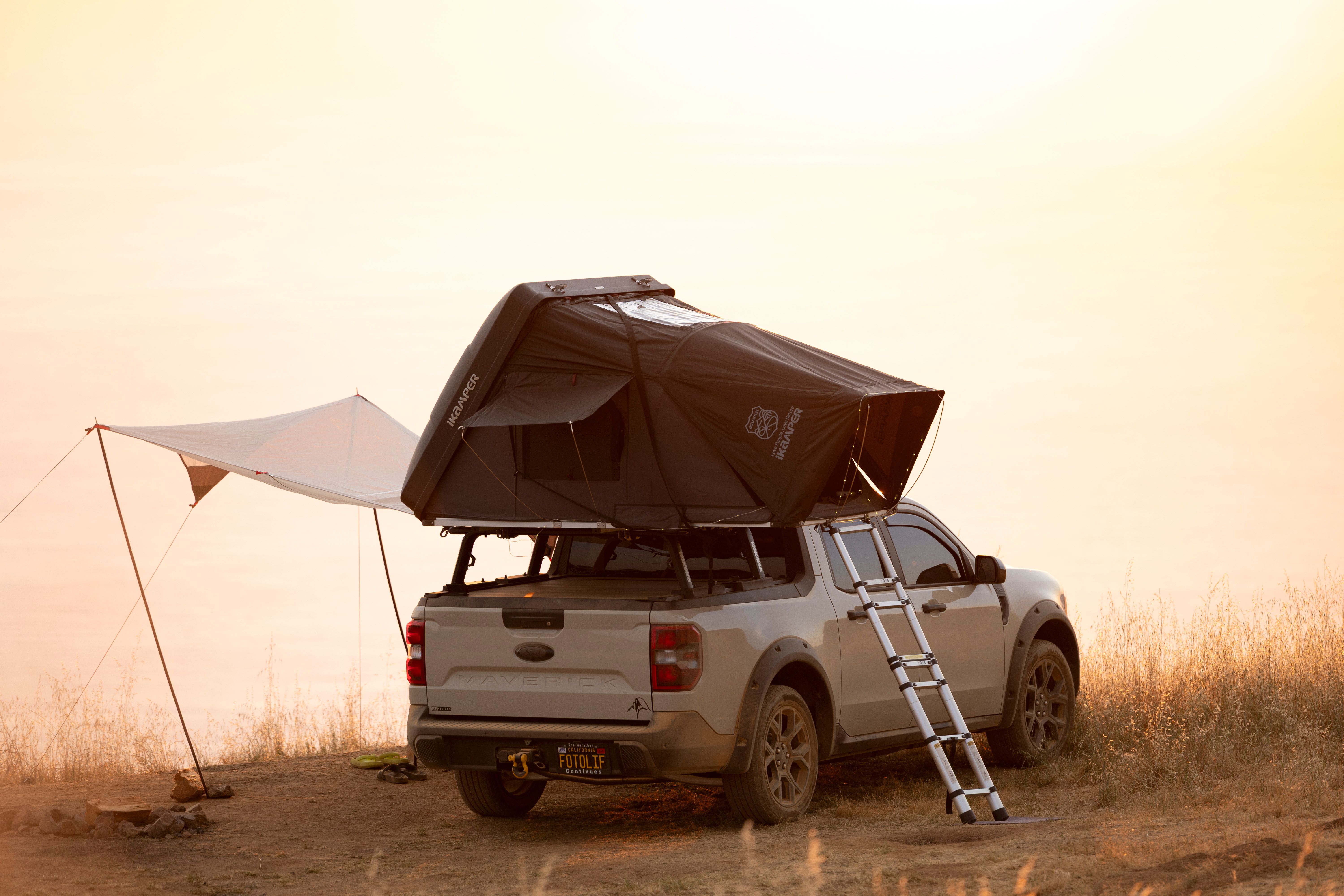
A practical, no-hype guide for overlanders and car campers who want to sleep on top of the world, not guess their way into a $3,000 mistake.
Maybe you've spent a few late evenings scrolling through overlanding forums, watching setup videos, comparing specs side by side. The hard shells look sleek. The soft shells fold down tighter. Some mount on a cross-bar setup. Others need a full roof rack. And then there's the price — anywhere from $800 to $4,000 depending on who you ask.
So you hold off. Not because you don't want one, but because you don't want to spend serious money and find out three months later that it doesn't open cleanly on a cold morning, or that the ladder scrapes your window every time.
That hesitation isn't fear. It's smart. The right rooftop tent should fit your vehicle, your trips, and the way you actually travel — not just the one that looked best in a video.
The variables that matter — shell type, mount system, weight, season rating, and vehicle payload — follow a clear logic. The free guide walks you through exactly that framework, covering the three most popular setups overlanders and car campers actually use.
Find your vehicle's dynamic roof rating so you know exactly what weight range is safe before you browse a single brand.
Hard-shell and soft-shell are built for different seasons, setups, and storage situations. The guide tells you which fits your trips.
Crossbars, slimline racks, and factory rails have different capacities. This step prevents the most common and expensive mistake.
Narrow well-regarded brands down to two or three real options with a simple scoring framework.
Walk into the purchase knowing it fits your rig, suits your climate, and will last for years of real-world use.
"The real obstacle isn't the price or the setup. It's trying to make a $2,500 decision without a clear framework. That's what the guide solves."
Illustrative examples of each style. The guide breaks down which one actually fits your vehicle, climate, and how often you camp.
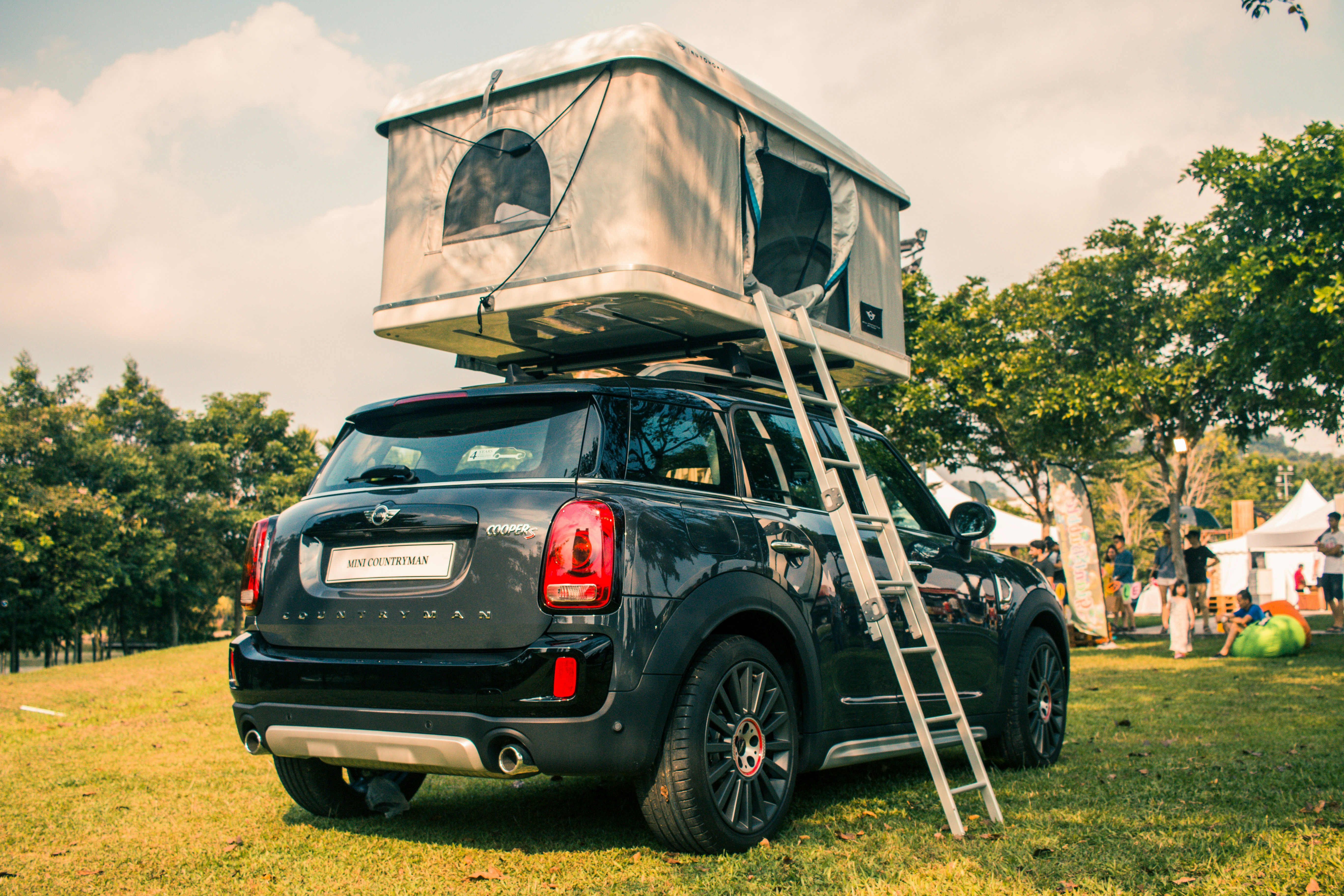 Hard-Shell
Opens in under a minute. Best for frequent campers and colder climates.
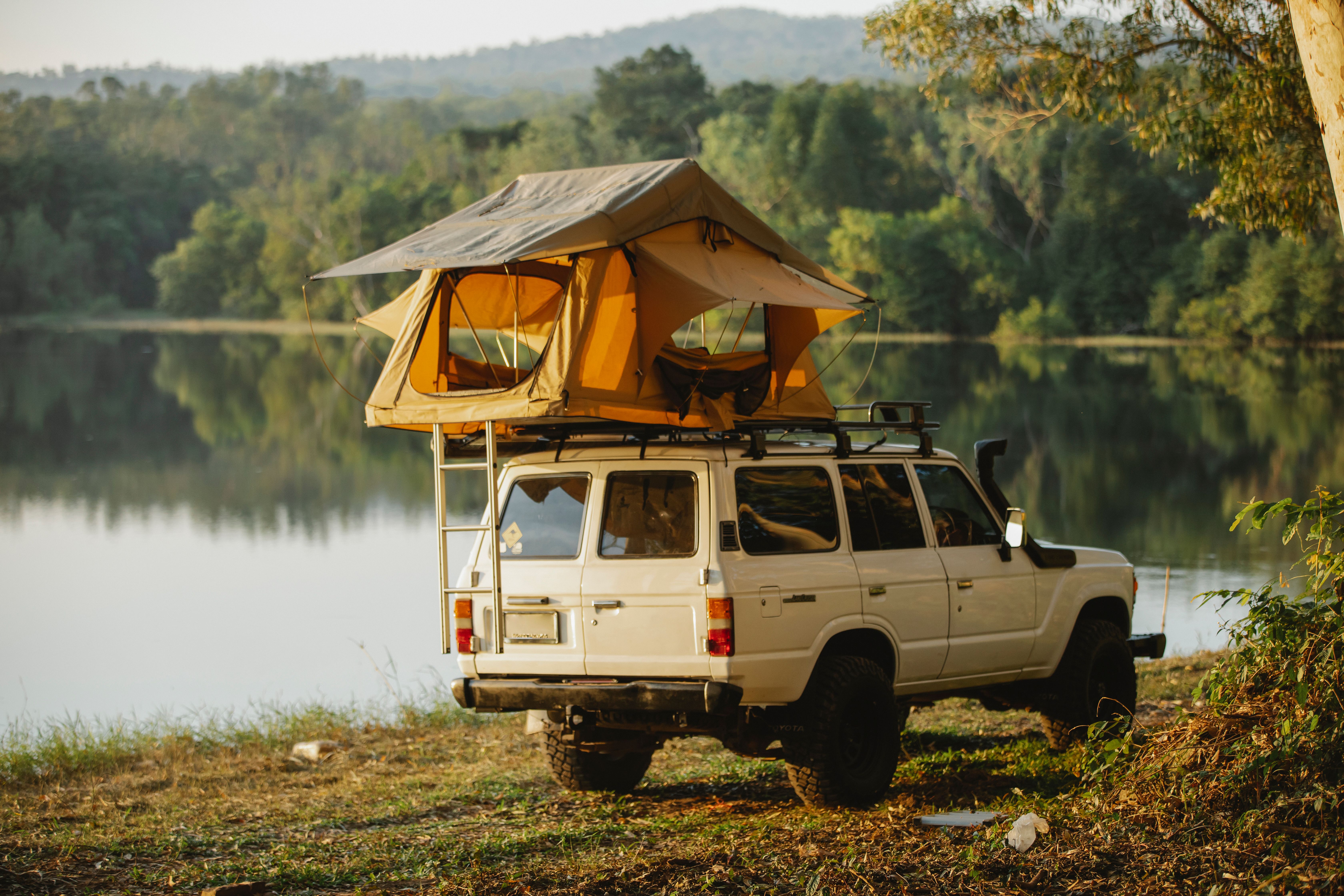 Soft-Shell
More interior space for the money. Takes a few extra minutes to pitch.
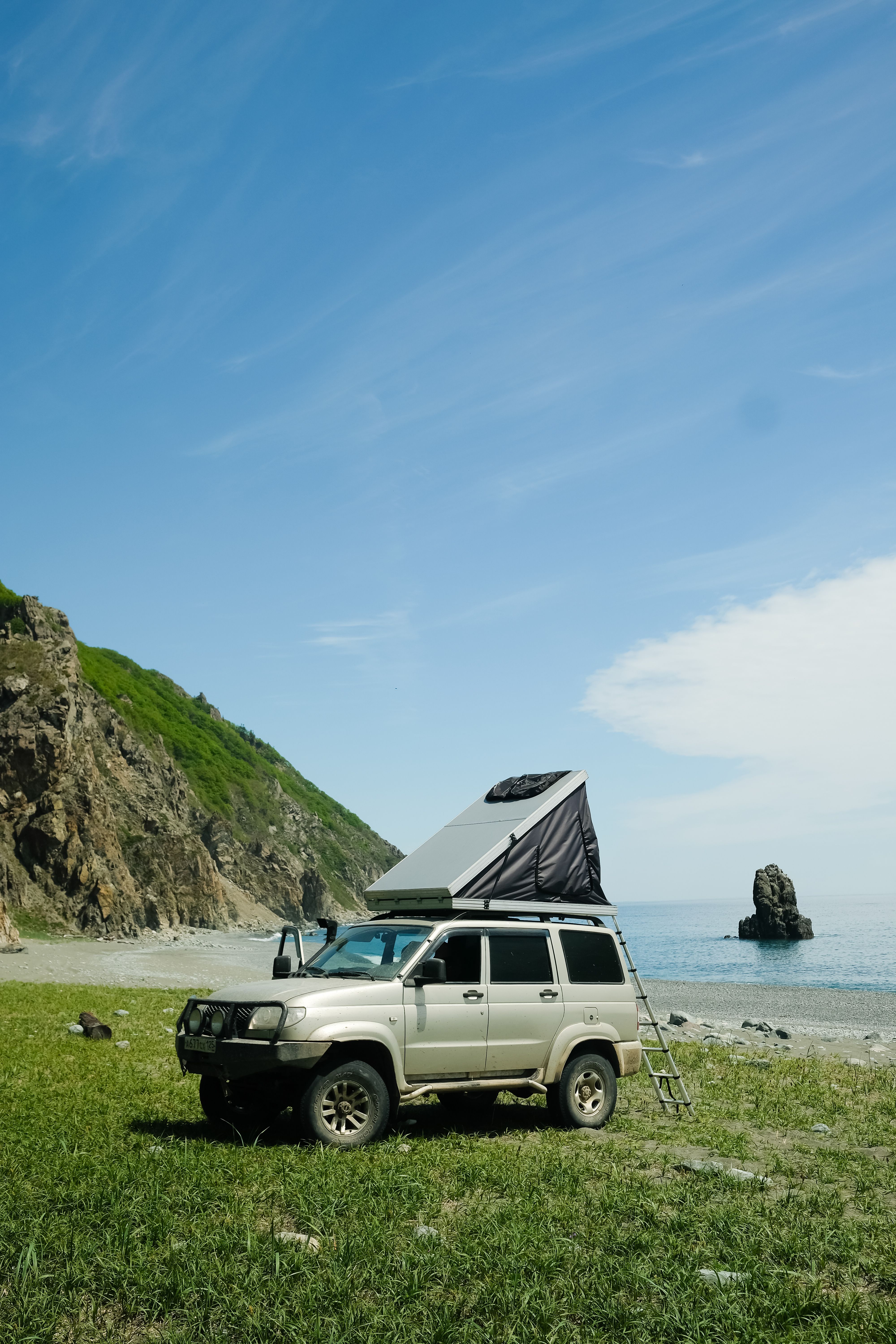 Wedge
WedgeQuick setup in a lower profile. Best fuel economy of the enclosed styles.
Photos are representative examples of each tent category, not endorsements of a specific model.
The guide leads you to the right tent category. These are our two recommended starting points once you know what fits. Both come with a full commission disclosure.
Shop hard-shell and soft-shell options from iKamper, Roofnest, Thule Tepui, and Tuff Stuff. Trusted by serious overlanders.
Shop Rooftop TentsAffiliate disclosure: We earn a commission if you purchase through this link at no extra cost to you. This supports the free guides we produce.
Keep devices, lighting, and fans charged anywhere. Jackery, EcoFlow, and Goal Zero portable stations — the natural companion to an overland setup.
Shop Power StationsAffiliate disclosure: We earn a commission if you purchase through this link at no extra cost to you.
A hard-shell tent has a rigid fiberglass or aluminum clamshell that opens with gas struts in under a minute and stays weather-tight when closed. A soft-shell tent uses a folding fabric design that packs lower to the roof, generally weighs less, and costs less, but takes longer to set up and offers less insulation in cold weather. The right choice depends on your climate, your setup frequency, and your vehicle's roof rating.
Compatibility depends on two things: your vehicle's dynamic roof load rating (found in the owner's manual) and the type of roof attachment you have, such as crossbars, a factory track, or a slimline overland rack. The free guide walks through how to check both, plus notes on popular vehicles including the Tacoma, 4Runner, Jeep Wrangler, Ford Bronco, Subaru Outback, and F-150.
Dependable soft-shell tents from known brands start around $900 to $1,400. Quality hard-shell tents typically range from $1,600 to $4,000 depending on size, insulation, and brand. Budget options exist below $900 but carry meaningful trade-offs in weatherproofing and longevity. The guide helps you identify where on the price spectrum makes sense for your use case so you spend appropriately, not excessively.
Many rooftop tents are rated for three-season use. For consistent winter camping in sub-freezing temperatures, look for tents with higher thread-count canvas, insulated mattress pads, and sealed seams. Several hard-shell models with insulated walls are used year-round by serious overlanders. Pairing any tent with a quality sleeping bag rated to your expected lows makes a significant difference regardless of shell type.
Yes. Any rooftop load adds aerodynamic drag and increases vehicle weight, which reduces efficiency. The impact varies by vehicle type, driving speed, and tent profile. Owners typically report a reduction of 1 to 4 mpg at highway speeds when the tent is mounted and closed. Larger, taller tents create more drag than lower-profile wedge or hard-shell designs. Many overlanders remove the tent during non-camping periods to restore normal fuel economy.
No purchase required. No pressure. Just a clear, honest framework for one of the best gear investments you'll ever make.
Survival Companion publishes practical buying guides and gear comparisons for overlanders, car campers, and outdoor families who want to make confident decisions before spending real money. Our content is written by outdoor enthusiasts who use this gear, not by marketers who sell it. We are not affiliated with, endorsed by, or sponsored by any of the brands mentioned on this site. Links to retailers use partner programs and earn us a small commission if you make a purchase. That commission has no effect on our recommendations or the content of our guides. Results from any gear purchase vary by individual, vehicle, use case, and conditions. Nothing on this site constitutes financial advice.
When you submit the opt-in form on this page, we collect your first name and email address. We use that information to send you the requested free guide and follow-up messages related to overlanding gear and outdoor adventures. Your information is processed through MailerLite, our email service provider. We do not sell, rent, or share your personal data with third parties for marketing purposes. You may unsubscribe at any time by clicking the unsubscribe link included in every email we send.